

Welcome
June 3, 2024 2025-12-30 14:30Welcome


Athletics & Activities
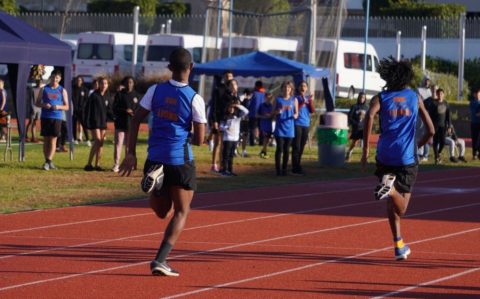
Athletics and activities help our students develop physical fitness, leadership, and collaboration skills. They also support emotional growth, teaching them resilience and perseverance through challenges both on and off the field.
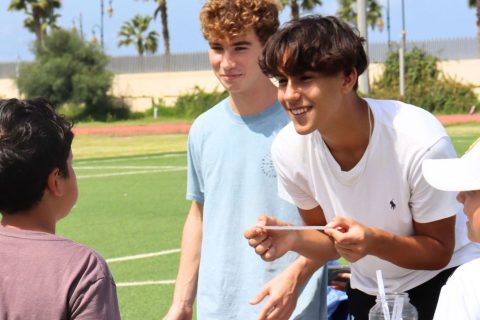
Student Organizations
Student organizations foster leadership, teamwork, and a sense of belonging, helping our students develop strong interpersonal and organizational skills. They also provide opportunities for personal growth, allowing them to explore their interests and passions outside the classroom.
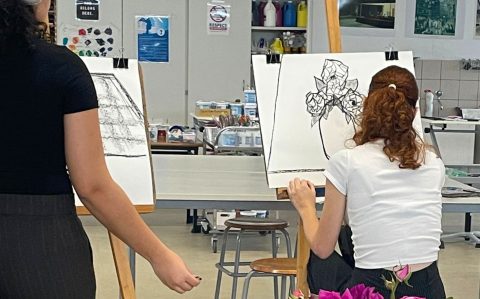
Fine Arts
The fine arts nurture creativity, self-expression, and critical thinking, helping our students develop a well-rounded skill set. They also enhance cultural awareness and emotional intelligence, enriching their overall academic and personal growth.
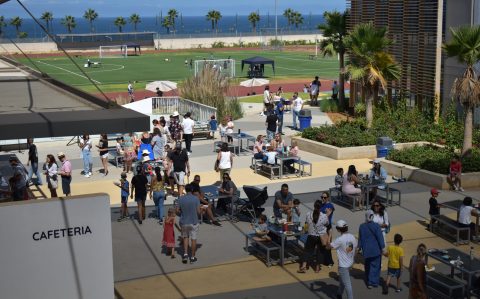
Our Community
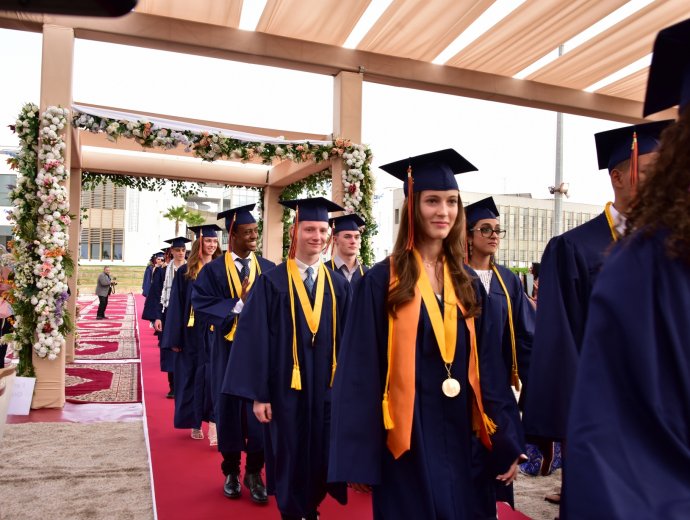
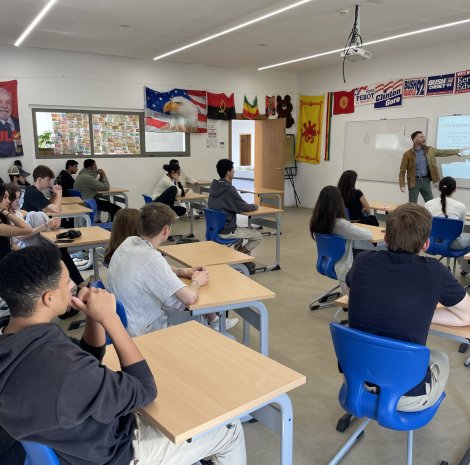
We take great pride in the diverse community of students, staff, and parents that enriches the culture of our school. This diversity creates a vibrant environment where diverse perspectives are valued and celebrated as a foundational strength of RAS.
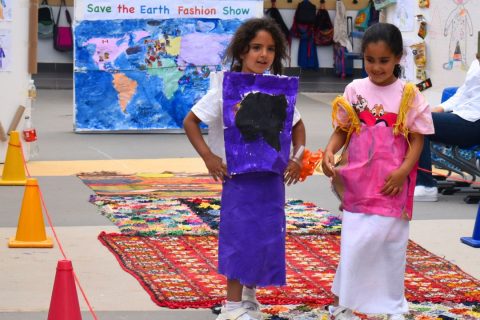
Sustainability
We encourage our students to develop eco-conscious habits, such as reducing waste, conserving energy, and understanding the impact of their actions on the planet. By integrating sustainability into the curriculum, we empower students to become environmentally responsible citizens for the future.
Facilities
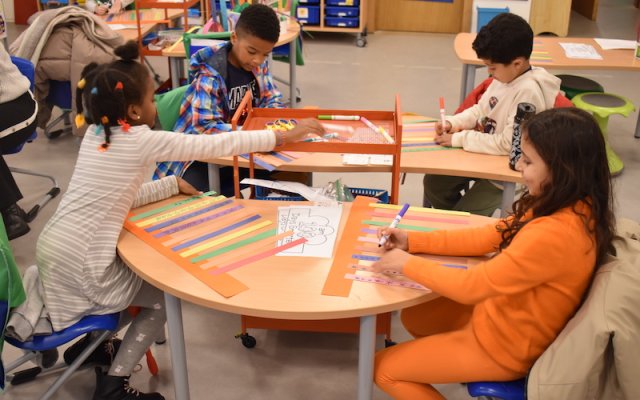
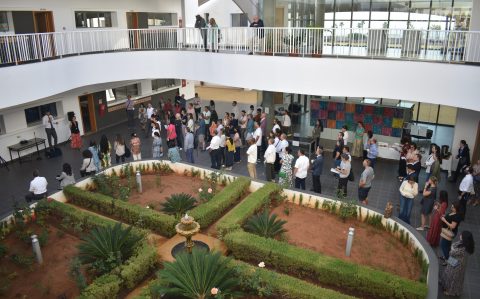
The campus spans nine modern buildings, offering classrooms for elementary and secondary education with centralized heating and air conditioning. Facilities include science labs, a STEAM Lab, Visual Arts rooms, band practice spaces, an audio/visual lab, and a 300-seat performing arts center. Community spaces feature a learning commons, cafeteria, gymnasium, and a 25-meter indoor pool. Outdoor amenities include basketball courts, a soccer field, and a track, fostering learning and activity both inside and out.

